Vehicles & Market
The automotive landscape has transformed dramatically in recent years, creating a complex web of considerations for anyone looking to purchase, own, or sell a vehicle. For Quebec residents, this complexity multiplies as local climate demands, unique regulatory frameworks, and cross-border economic factors intersect with rapidly evolving vehicle technology and shifting market preferences. Understanding these interconnected dynamics isn’t just about making a smart purchase—it’s about protecting your investment over the entire ownership lifecycle.
This comprehensive resource explores the critical factors shaping the modern vehicle market, from the hidden costs of electronic complexity to the strategic timing of purchases and sales. Whether you’re evaluating a tech-laden crossover, planning for upcoming electrification regulations, or simply trying to understand why certain vehicle segments retain value better than others, the insights ahead will equip you with the knowledge to navigate confidently through today’s automotive marketplace.
Understanding Modern Vehicle Complexity and Ownership Costs
Today’s vehicles are fundamentally different from their predecessors, with electronic systems permeating every aspect of operation. While these technologies offer convenience and capability, they introduce financial considerations that extend far beyond the initial purchase price.
Electronic Systems and Long-Term Reliability
The average modern vehicle contains over 100 million lines of code—more than a commercial airliner. This electronic density creates a correlation between system complexity and repair costs that becomes increasingly significant as vehicles age. When evaluating a tech-heavy vehicle before purchase, consider the accessibility of diagnostic tools, the manufacturer’s track record for electronics longevity, and whether independent repair shops can service proprietary systems.
The tension between high-tech dependency and mechanical simplicity directly impacts long-term ownership costs. A vehicle with advanced driver assistance systems may cost significantly more to repair after a minor collision, as sensors and cameras require precise calibration. Quebec’s harsh winter conditions add another layer of complexity, as salt exposure can corrode wiring harnesses and connectors, leading to intermittent electrical faults that are notoriously difficult to diagnose.
Technology Depreciation and Resale Timing
Perhaps nowhere is technological advancement more double-edged than in depreciation patterns. Infotainment systems that feel cutting-edge today can appear hopelessly outdated within just a few years, directly impacting resale value. Vehicles with non-upgradable systems tied to discontinued smartphone platforms or obsolete connectivity standards face accelerated depreciation.
Strategic owners recognize the importance of timing the sale before major electronic failures typically occur. Research suggests that complex electronic components often experience increased failure rates between the seven and ten-year marks. Selling before this window—while the vehicle still benefits from perceived modernity but before expensive repairs become likely—represents a calculated approach to minimizing total ownership costs.
Navigating Market Shifts and Vehicle Segments
The vehicle market operates in cycles, with certain segments rising and falling in popularity based on factors ranging from fuel prices to cultural trends. Understanding these patterns helps buyers avoid financial pitfalls and identify opportunities.
The Crossover Revolution and Practical Reality
The decline of traditional sedans in favor of crossovers and SUVs has reshaped showroom floors across Quebec. While crossover domination appears absolute, it’s essential to separate practical utility from market hype. For winter driving, the elevated seating position and available all-wheel drive offer genuine advantages in visibility and snow traction. However, real-world fuel economy testing reveals that compact crossovers often consume 15-25% more fuel than equivalent sedans, a significant consideration given Quebec’s fuel prices and longer commuting distances in suburban and rural areas.
The comparison between compact and mid-size crossovers further illustrates that bigger doesn’t always mean better. Mid-size crossovers typically sacrifice fuel efficiency and maneuverability for marginal increases in cargo space that many owners rarely utilize. Identifying your actual needs versus perceived wants prevents overspending on vehicle size you don’t require.
Timing Your Purchase Around Market Cycles
Optimizing purchase timing based on model year transitions represents one of the most accessible strategies for value-conscious buyers. Manufacturers typically introduce new model years in late summer and fall, creating opportunities to negotiate on outgoing models. However, the financial risk of buying a discontinued segment deserves careful consideration. When a manufacturer announces the end of a particular model line, resale values can drop precipitously as buyers worry about parts availability and perceived obsolescence.
The process for identifying rising vehicle segments before they peak involves monitoring:
- Manufacturer investment patterns in new platforms and powertrains
- Regulatory changes that favor certain vehicle types
- Demographic shifts affecting buyer preferences
- Used market pricing trends indicating sustained demand
Quebec’s Unique Automotive Market Factors
The Canadian automotive landscape operates under distinct economic and practical conditions that differ significantly from the United States market, despite geographic proximity and shared vehicle platforms.
Exchange Rates and Cross-Border Considerations
The impact of the Canadian dollar’s exchange rate extends beyond initial vehicle pricing to affect parts availability and long-term maintenance costs. When the dollar weakens, replacement parts manufactured in the United States or overseas become more expensive. This reality makes the comparison between US imports and Canadian domestic market vehicles more nuanced than simple price differences suggest.
Vehicles purchased in the United States and imported to Quebec must meet Transport Canada safety standards and undergo modifications that can cost thousands of dollars. Additionally, certain manufacturer warranties become void upon cross-border transfer, exposing buyers to significant financial risk. The complexity of registering US-spec vehicles in Quebec, combined with potential issues accessing recall repairs through Canadian dealerships, often negates apparent savings.
Climate Demands and Seasonal Market Patterns
Quebec’s climate creates distinct seasonal demand patterns that savvy buyers and sellers can leverage. Optimizing trade-in value in the Canadian spring market takes advantage of increased buyer activity as winter ends and tax refunds arrive. Vehicles with all-wheel drive, good winter tire history, and documented undercoating command premium prices as buyers prepare for the next winter season.
The pre-purchase inspection checklist for Quebec buyers must include winter-specific considerations:
- Undercarriage examination for rust perforation from road salt exposure
- Brake line and fuel line condition assessment
- Battery cold-cranking amp capacity verification
- Heating system performance testing
- All-wheel drive or four-wheel drive system functionality confirmation
The Electric Transition and Regulatory Landscape
The automotive industry stands at an inflection point as governments mandate the phase-out of internal combustion engines. For Quebec vehicle owners, this transition carries both opportunities and risks that require strategic planning.
Understanding Incentives and Requirements
Quebec’s electric vehicle rebate program offers substantial financial incentives that can reduce the effective purchase price of qualifying vehicles by several thousand dollars. These provincial incentives stack with federal programs, creating compelling economics for EV adoption. However, understanding the ZEV standard for manufacturers reveals that these incentives serve dual purposes: encouraging consumer adoption while ensuring manufacturers meet progressively stricter zero-emission vehicle sales quotas.
The regulatory framework continues evolving, with income thresholds, vehicle price caps, and eligible model lists subject to revision. Prospective buyers should verify current qualification criteria at the time of purchase rather than relying on historical program parameters.
Planning for the Combustion Engine Phase-Out
Planning for the regulatory ban on new gasoline vehicle sales creates a strategic timing question for current ICE vehicle owners. The risk of stranded assets—vehicles that retain mechanical functionality but lose market value due to regulatory changes—represents a real concern. However, timing the resale of ICE vehicles before demand drops requires balanced analysis rather than panic selling.
The used vehicle market will continue absorbing internal combustion vehicles for decades beyond the new sales prohibition. Factors that will sustain ICE vehicle value include:
- Charging infrastructure gaps in rural Quebec regions
- Specific use cases where EV range limitations prove problematic
- Price-sensitive buyers seeking affordable transportation
- Enthusiast demand for certain models and driving experiences
Rather than viewing the transition as a cliff edge, recognize it as a gradual shift that rewards thoughtful planning over reactive decision-making.
Technology Trade-offs in Modern Vehicles
Beyond propulsion systems, numerous technological choices confront vehicle buyers, each carrying distinct advantages and compromises that affect daily usability and long-term satisfaction.
Transmission Technologies and Real-World Efficiency
The comparison between CVT and traditional automatic transmissions illustrates how marketing claims diverge from real-world experience. Continuously Variable Transmissions theoretically optimize engine efficiency by maintaining ideal RPM ranges, and fuel economy test cycles often favor their characteristics. However, real-world driving in Quebec’s varied terrain reveals nuances: CVTs can struggle with sustained highway passing maneuvers, may exhibit accelerated wear when towing, and often require specific (more expensive) transmission fluid.
Traditional automatic transmissions with higher gear counts (8-10 speeds) have narrowed the efficiency gap while maintaining superior towing capacity and more predictable power delivery—factors particularly relevant for Quebec drivers facing steep grades, frequent highway merging, and trailer hauling for recreational activities.
Safety and Navigation Systems Comparison
The choice between phone apps and dedicated GPS systems exemplifies technology democratization. While built-in navigation systems offer seamless vehicle integration and function without cellular connectivity, they typically require expensive map updates and lack the real-time traffic data and frequent improvements that smartphone applications provide automatically.
Similarly, understanding the distinction between lane departure warning and lane centering systems prevents confusion and sets appropriate expectations. Lane departure systems simply alert drivers to unintended drift, while lane centering actively steers to maintain position. The difference between city safety and highway safety systems matters equally: urban-focused systems prioritize low-speed collision prevention and pedestrian detection, whereas highway systems emphasize high-speed forward collision warning and adaptive cruise control.
Evaluating these technologies before purchase means test-driving in conditions matching your typical use—including night driving, winter weather, and the specific road types you frequent most. Quebec’s mix of urban congestion, rural highways, and challenging winter conditions demands systems that perform reliably across all scenarios rather than excelling in only ideal circumstances.
The modern vehicle market rewards informed decision-making. By understanding the interplay between technological complexity, market dynamics, regional factors, and regulatory changes, you position yourself to make choices aligned with your actual needs, financial goals, and risk tolerance. The knowledge to navigate this landscape confidently is now yours to apply.
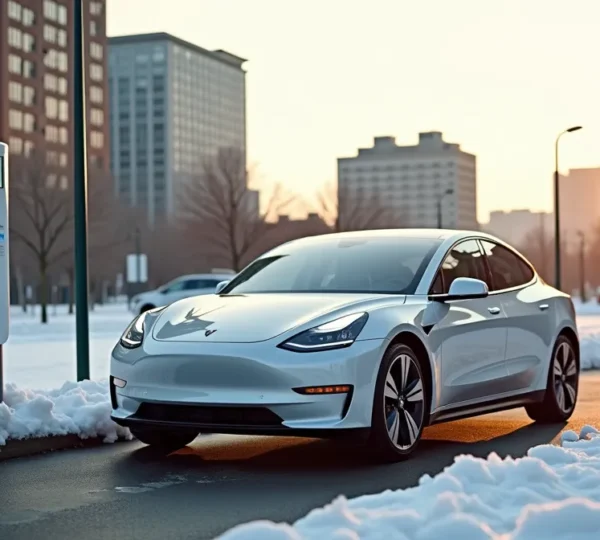
What Does the 2035 Gas Car Ban Mean for Current Owners?
The 2035 ban is not a sudden stop but a gradual, predictable transition; your gas car’s value depends on strategic timing, not a single date. Provincial rebates are decreasing annually, making the next 12-24 months a key window for EV…
Lire la suite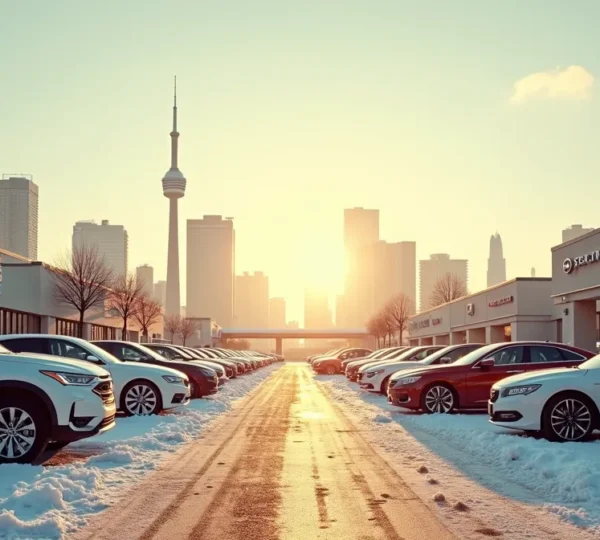
The Great Divide: Why Are Used Cars in Canada So Much Cheaper Than in the US?
The price difference for used cars between Canada and the US is driven by more than just the exchange rate; it’s a complex web of regulatory friction, warranty risks, and unique provincial market forces. A weaker Canadian dollar creates initial…
Lire la suite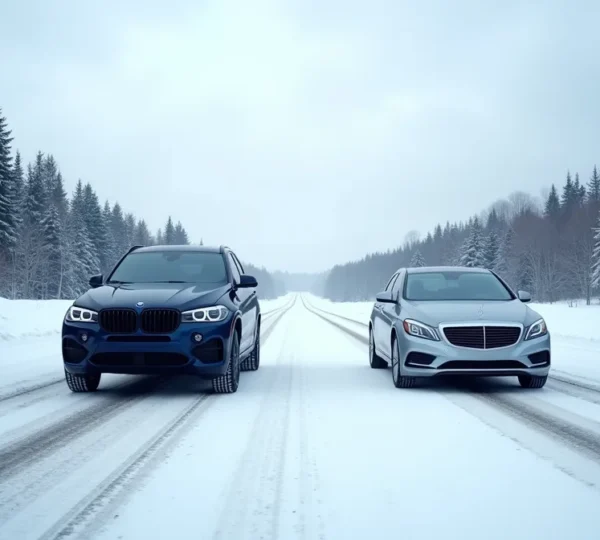
Are Crossovers Really Safer in Deep Snow Than Sedans?
Despite marketing claims, a crossover’s perceived winter safety advantage is largely a myth rooted in a misunderstanding of vehicle physics; true safety comes from tires and driver skill, not just all-wheel drive or ground clearance. All-Wheel Drive (AWD) only improves…
Lire la suite
Sedan or SUV: Which Body Type Loses Less Value in Quebec?
Contrary to popular belief, the best investment for a Quebec family is not automatically an SUV; it’s understanding the specific provincial market forces that truly dictate resale value. Market-wide trends show sedans depreciating faster, but compact models retain strong value…
Lire la suite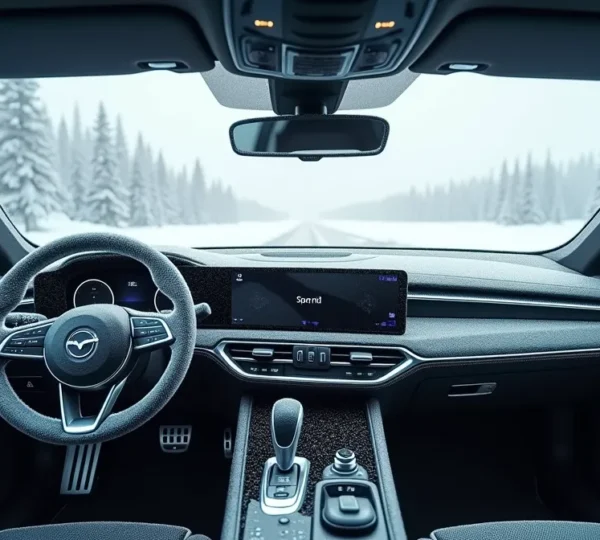
Why Do Modern Vehicles Cost 30% More to Repair in Quebec Than Older Models?
The sharp rise in repair costs for modern cars in Quebec is not just about complexity; it’s a financial trap caused by accelerated winter degradation of electronics, a concept we’ll call « electronic rust. » Extreme temperature swings cause a « thermal shock…
Lire la suite