Automotive Lifestyle & Experience
The modern automotive experience extends far beyond the simple act of getting from point A to point B. Today’s drivers navigate a complex ecosystem where fuel efficiency, technological integration, economic considerations, and personal well-being intersect in ways that fundamentally shape their daily lives. Whether you’re commuting through Montreal’s winter gridlock, optimizing your vehicle for ride-sharing in Toronto, or simply seeking to reduce your carbon footprint while managing rising fuel costs, understanding the multifaceted nature of automotive lifestyle has never been more essential.
This comprehensive exploration examines the core dimensions that define contemporary driving culture in Canada. From practical fuel-saving techniques adapted to harsh winter conditions, to the psychological impact of solo commuting, to the economic realities of the sharing economy, we’ll unpack the knowledge you need to make informed decisions about your automotive life. The goal isn’t to overwhelm you with information, but to provide a clear framework for understanding how small adjustments in driving habits, vehicle usage, and technology adoption can create meaningful improvements in cost, comfort, and overall satisfaction.
Mastering Fuel Efficiency in Canadian Conditions
Canadian drivers face unique challenges when it comes to fuel economy. The combination of extreme temperature fluctuations, carbon taxation policies, and sprawling urban geography makes fuel consumption a significant concern for households across the country. Understanding the factors that influence your vehicle’s efficiency is the first step toward meaningful savings.
Winter-Specific Fuel Consumption Challenges
Cold weather dramatically impacts fuel economy in ways many drivers underestimate. When temperatures drop below freezing, engine oil thickens, increasing internal friction. Battery efficiency decreases, requiring more energy to start the vehicle. Most significantly, the common practice of extended idling to warm up the cabin can consume surprising amounts of fuel—modern engines typically require only 30 to 60 seconds of idling before driving gently is the most efficient warm-up method.
The financial impact becomes particularly acute when combined with carbon taxation. In provinces like British Columbia and Quebec, where carbon pricing continues to influence pump prices, even a modest reduction in fuel consumption translates to tangible annual savings. A vehicle that normally achieves 8L/100km might see consumption spike to 10-12L/100km during winter months if idling and cold-start habits aren’t optimized.
Eco-Driving Techniques for Urban Environments
Stop-and-go traffic, the reality for commuters in cities from Vancouver to Halifax, represents one of the most fuel-intensive driving conditions. However, strategic techniques can significantly mitigate consumption:
- Anticipatory acceleration: Reading traffic flow ahead to minimize hard braking and subsequent re-acceleration
- Optimal spacing: Maintaining greater following distance to smooth out speed variations
- Strategic lane positioning: Choosing lanes with more consistent flow patterns
- Traffic signal timing: Learning the rhythm of synchronized lights on regular routes
These techniques aren’t just theoretical—drivers who consciously apply eco-driving principles in urban settings typically see fuel economy improvements of 15-25% compared to aggressive driving styles. The key is consistency and mindfulness rather than extreme measures that compromise safety or traffic flow.
Vehicle Features That Impact Economy
Modern vehicles offer multiple settings that influence fuel consumption, yet many drivers never adjust default configurations. The most common example is the Eco mode versus Normal mode debate. Eco mode typically modifies throttle response, transmission shift points, and climate control behavior to prioritize efficiency. Real-world testing shows savings ranging from 5-12% depending on driving conditions, with the greatest benefits appearing in city driving.
Equally important are the habits that inadvertently increase consumption. Roof racks, even when empty, create aerodynamic drag that can reduce highway fuel economy by 5-15% depending on vehicle type and speed. Crossover vehicles with sloped roofs present particular challenges for cargo loading—improper weight distribution not only affects fuel economy but also handling characteristics. The lesson is clear: remove accessories when not needed and optimize loading patterns for both safety and efficiency.
The Economics of Ride-Sharing and Collaborative Mobility
The sharing economy has fundamentally altered the automotive landscape, creating new opportunities and challenges for Canadian drivers. Whether participating as a driver generating supplemental income or as a passenger seeking cost-effective transportation, understanding the economic dynamics helps you make strategic decisions.
Driver Perspective: Balancing Profit and Vehicle Longevity
The appeal of ride-sharing platforms is straightforward: convert your vehicle and time into income. However, the true profitability calculation is more nuanced than gross earnings might suggest. Drivers must account for accelerated depreciation, increased maintenance frequency, higher insurance premiums (commercial coverage requirements vary by province), and fuel costs that can represent 25-35% of gross revenue.
The tension between driver profit and vehicle wear becomes particularly acute for those treating ride-sharing as primary income. A vehicle driven 40,000 km annually for ride-sharing will typically require major maintenance (brakes, tires, suspension components) twice as frequently as one driven 15,000 km for personal use. The financial trap emerges when drivers focus solely on daily or weekly earnings without accounting for these deferred costs, creating an illusion of profitability that evaporates when major repairs arrive.
Passenger Excellence and Safety Verification
From the passenger perspective, becoming a 5-star passenger isn’t just about courtesy—it’s about understanding the mutual respect that makes the sharing economy function. Simple practices make significant differences:
- Be ready at the designated pickup location when the driver arrives
- Confirm you’re entering the correct vehicle using license plate verification
- Respect the driver’s vehicle condition and personal boundaries
- Communicate any special needs or route preferences clearly and politely
- Complete the trip rating promptly and honestly
Safety verification mechanisms have evolved considerably, incorporating two-way identification systems, GPS tracking, and emergency response integration. Canadian riders should familiarize themselves with these features—particularly the ability to share trip details with trusted contacts—before regularly using ride-sharing services.
Strategic Timing and Demand Optimization
For drivers, understanding demand patterns transforms ride-sharing from random income generation to strategic optimization. Peak periods typically align with predictable events: morning and evening commutes, weekend nightlife hours, airport runs during holiday periods, and major events at venues like the Bell Centre or Rogers Centre. However, the risk of cancellations increases during high-demand periods when passengers request multiple vehicles simultaneously, accepting whichever arrives first.
Weather conditions also create demand surges in Canadian markets. The first major snowfall, extreme cold warnings, or heavy rain typically trigger surge pricing and increased ride requests. Savvy drivers position themselves strategically during these windows while balancing the increased operational risks that weather presents.
The Psychology of Modern Driving
Beyond the mechanical and economic dimensions, driving profoundly affects mental health and productivity. The average Canadian driver spends hundreds of hours annually behind the wheel—time that can be either a source of stress or an opportunity for personal enrichment, depending on mindset and preparation.
Mental Health Impacts of Traffic and Commuting
Research consistently demonstrates that long commutes, particularly those involving unpredictable traffic congestion, correlate with increased stress levels, reduced life satisfaction, and even elevated cardiovascular risk. The psychological cost of traffic jams extends beyond the immediate frustration—it erodes the boundaries between work and personal life, reduces time for family and leisure activities, and creates a persistent low-level anxiety about schedule uncertainty.
The financial dimension compounds this stress. When calculating the true cost of driving alone versus alternatives like transit, carpooling, or remote work arrangements, many Canadians focus exclusively on direct expenses (fuel, parking, tolls) while overlooking the psychological burden. A 90-minute daily commute represents nearly 400 hours annually—time that carries an opportunity cost beyond simple dollar calculations.
Addressing this requires both systemic and individual approaches. Where possible, negotiating flexible start times to avoid peak congestion, exploring compressed work weeks, or advocating for remote work options can meaningfully improve well-being. For unavoidable commutes, reframing the experience and actively managing the mental environment becomes essential.
Transforming Solo Drive Time into Productive Moments
The question isn’t whether solo driving time can be productive, but rather how to optimize it for learning, relaxation, or mental processing. The podcast versus audiobook debate illustrates different approaches to in-car content consumption. Podcasts, typically 20-60 minutes, align well with commute durations and offer diverse content from educational to entertaining. Audiobooks provide narrative continuity and deeper engagement with single topics but require longer listening sessions to maintain flow.
The choice depends on cognitive state and goals. Morning commutes might favor energizing podcasts or language learning programs that activate mental alertness. Evening returns might benefit from fiction audiobooks or calming music that facilitate decompression. Some drivers use commute time for hands-free phone calls with distant family members, transforming obligatory travel into relationship maintenance—though this should always be balanced against the cognitive load that phone conversations impose on driving safety.
For those seeking genuine productivity, voice-based task capture systems allow drivers to verbally note ideas, create to-do items, or draft messages without handling devices. The key is establishing routines that make drive time feel purposeful rather than merely endured.
Vehicle Technology and Ergonomic Considerations
Modern vehicles incorporate increasingly sophisticated technology intended to improve comfort, efficiency, and convenience. However, the gap between design intent and real-world usability—particularly in Canadian conditions—often creates unexpected challenges that drivers must navigate.
Climate Control Efficiency
The choice between automatic and manual climate settings represents a classic efficiency-versus-control tradeoff. Automatic climate systems use sensors and algorithms to maintain target temperatures while theoretically optimizing energy consumption. In practice, many drivers find automatic systems overly aggressive, cycling between heating and cooling in ways that feel uncomfortable and potentially wasteful.
Manual control provides precise adjustment but requires ongoing attention and understanding of system behavior. The most efficient approach typically involves hybrid usage: allow automatic systems to reach initial comfort, then switch to manual maintenance to prevent unnecessary cycling. In electric vehicles, where climate control directly impacts range, this strategy becomes particularly important during Canadian winters when cabin heating can reduce range by 30-40%.
Navigation Precision and User Interface Challenges
Digital navigation has revolutionized route planning, yet interface design sometimes creates usability problems. The debate of using coordinates versus addresses highlights a practical concern: addresses work seamlessly for established locations but fail for new developments, rural properties, or specific entry points in large complexes. GPS coordinates provide absolute precision but require familiarity with coordinate systems that most drivers lack.
The practical solution involves understanding when each approach excels. For meeting someone at a specific trailhead or accessing a delivery entrance, sharing a dropped pin or coordinates ensures precision. For general navigation, addresses remain more intuitive. The illusion of haptic feedback on touchscreen interfaces compounds these challenges—without physical buttons, drivers often need to visually confirm selections, creating dangerous attention diversion from the road.
Seasonal Usability Adaptations
Canadian winters introduce unique ergonomic challenges that vehicle designers in milder climates rarely anticipate. Winter clothing creates usability problems with modern vehicle interfaces: thick gloves make touchscreen operation nearly impossible, forcing drivers to remove gloves repeatedly or use inadequate touch-compatible variants that sacrifice warmth. Voice control offers a partial solution, but recognition accuracy often degrades in noisy winter conditions with running defrosters and road noise from snow tires.
The financial trap of convenience manifests in features like remote start systems and heated seats—comfort technologies that provide genuine value in harsh climates but also carry ongoing costs through increased fuel consumption and potential subscription fees. Evaluating these features requires honest assessment of actual usage patterns versus idealized scenarios presented in marketing materials.
The automotive lifestyle encompasses far more than vehicle selection and basic operation. By understanding the interconnected elements of fuel efficiency, economic participation in sharing platforms, psychological well-being, and technological adaptation, Canadian drivers can make informed decisions that enhance both their daily experience and long-term satisfaction. Each dimension offers opportunities for optimization—not through dramatic lifestyle changes, but through thoughtful adjustments informed by understanding the underlying dynamics. Whether your priority is reducing environmental impact, maximizing economic efficiency, or simply making your commute less stressful, the knowledge foundation exists to guide meaningful improvement.
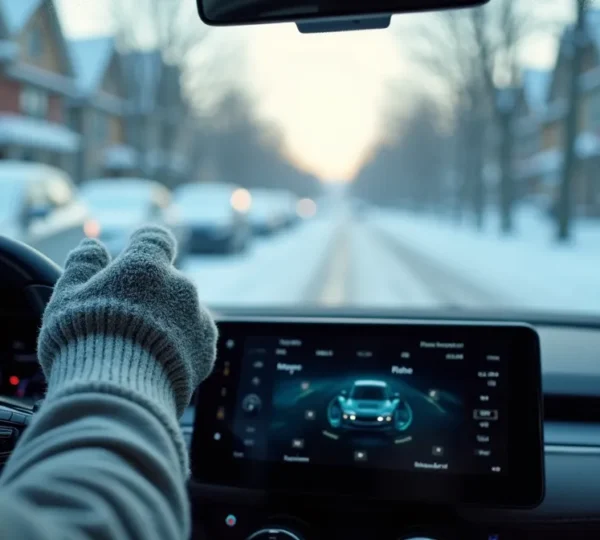
How to Use Your Car’s Touchscreen While Wearing Winter Gloves?
In summary: Most touchscreens fail with winter gloves because they require skin contact (capacitive technology). Relying on touchscreens increases distraction, a leading cause of fatal accidents on Quebec roads. Physical knobs and steering wheel controls are always safer and more…
Lire la suite
Is the Freedom of Solo Driving Worth the $800 Monthly Cost?
The perceived freedom of solo driving is an illusion that costs Montreal commuters far more than the $800 monthly bill suggests, imposing significant hidden psychological and productivity tolls. Your daily battle with traffic actively increases stress hormones, undermining your well-being…
Lire la suite
Carpooling to Quebec City: How to Actually Save 50% on Your Travel Budget
Mastering Quebec’s carpooling platforms isn’t just about saving gas—it’s a strategic way to drastically reduce your travel budget and even turn a profit on your commute. Drivers can earn a net profit on the Montreal-Quebec City route while building valuable…
Lire la suite
How to Reduce Your Fuel Bill by 20% Without Driving Less?
With gas prices stubbornly high, cutting your fuel bill by 20% is not about finding shortcuts, but about mastering your vehicle’s physics and behaviour in Quebec’s specific driving conditions. Small, consistent habits like eliminating winter idling and managing tire pressure…
Lire la suite