Transport & Mobility
Transportation in Québec has evolved into a complex ecosystem where traditional car ownership intersects with expanding public transit networks, emerging micro-mobility solutions, and the logistical realities of moving goods across vast distances. Whether you’re a Montreal commuter weighing the REM against daily driving, a logistics professional navigating the driver shortage, or someone exploring car-free living, understanding the full spectrum of mobility options has become essential.
This landscape is shaped by unique Québec realities: infrastructure projects that reshape commuter patterns, seasonal construction schedules that challenge even experienced drivers, transit systems with their own fare hierarchies and payment methods, and a geography that demands different strategies for urban centers versus remote regions. The choices you make about how to move—whether for daily commutes, weekend trips, or commercial operations—have significant financial, practical, and lifestyle implications.
This resource explores the interconnected elements of Québec’s transportation ecosystem, from the mechanics of combining different transport modes to the compliance requirements for commercial fleets, providing the foundational knowledge needed to navigate mobility decisions with confidence.
Understanding Multimodal Transportation: Beyond the Single-Car Household
The traditional model of car ownership as the default mobility solution is being reconsidered across the province. Rising vehicle costs—including insurance, fuel, maintenance, and parking—are prompting many to evaluate whether full-time car ownership remains financially rational compared to transit passes combined with occasional car-sharing or rentals.
The Economics of Transportation Choices
A monthly Opus card for unlimited transit in the Montreal area costs a fraction of typical monthly car expenses, which easily exceed several hundred dollars when all ownership costs are tallied. For households that can rely primarily on public transit, the savings are substantial. However, this calculation changes dramatically based on individual circumstances: family size, work location, need for suburban access, and lifestyle patterns all influence whether multimodal living is practical or frustrating.
Mastering the Mix of Transport Modes
Effective multimodal living isn’t about eliminating cars entirely—it’s about using the right tool for each journey. Commuter trains might handle the weekday office commute, while a weekend car rental or car-sharing service covers the trip to a provincial park. BIXI bikes or e-scooters bridge the last-mile gap between metro stations and final destinations. The key is understanding which combinations work for your specific patterns and having backup plans when one mode becomes unavailable.
Navigating Public Transit Systems: Fares, Cards, and Practical Realities
Québec’s public transit networks—including the STM in Montreal, exo for commuter services, and regional systems like RTL—each have their own operating logic. For regular users, these systems become second nature, but for occasional riders or newcomers, the complexity can be intimidating.
Understanding Fare Structures and Payment Options
The hierarchy of transit fares reflects a tiered system: single-trip tickets cost more per ride than 10-trip packages, which in turn are more expensive per journey than unlimited monthly passes. The Opus card serves as the reloadable platform for most Montréal-area transit, but occasional users must decide whether to invest in the card itself or purchase single-use paper tickets at a premium. For integrated trips crossing multiple transit authorities, understanding zone-based pricing becomes crucial to avoid unexpected fare charges.
Common Pitfalls and Practical Knowledge
Operational realities shape the transit experience. Missing the last metro of the evening leaves you scrambling for expensive alternatives, since night bus networks, while extensive, operate on different schedules and routes. Summer construction season brings frequent bus detours and station closures, often announced with limited notice. Experienced riders develop the habit of checking service alerts before every trip and building buffer time into their schedules, recognizing that published schedules represent ideals rather than guarantees.
Comparing Commuter Options: Train, Car, and Hybrid Approaches
The calculus of commuter choices involves more than simple time and cost comparisons. The REM’s expansion has created new decision points for West Island residents, who now weigh the predictability of rail transit against the flexibility of driving. Each option carries distinct trade-offs in reliability, cost, comfort, and schedule flexibility.
Hybrid approaches—driving to a commuter train station and parking for the day—attempt to capture benefits from both modes. This strategy works well when residential areas lack direct transit access but employment destinations have excellent transit connectivity. The challenge lies in parking availability at train stations, which fills early during peak periods, and the added complexity of managing two legs of the journey.
Bridge versus ferry crossings present another strategic choice in certain regions. While bridges offer speed and frequency, ferry services provide a more relaxed crossing experience and can avoid bridge traffic congestion. Weather conditions, maintenance schedules, and time of day all influence which crossing strategy proves more reliable. The optimal choice often shifts seasonally, requiring commuters to maintain familiarity with both options.
Infrastructure and Its Impact on Daily Mobility
Infrastructure projects and maintenance work exert enormous influence on transportation patterns, often creating disruptions that last months or years. Bridge maintenance schedules can reshape entire commuter flows, forcing drivers to learn alternate routes or reconsider their transit mode entirely. Understanding announced infrastructure plans helps anticipate these disruptions rather than reacting to them.
Québec’s construction holiday schedule—a two-week period when many construction workers simultaneously take vacation—creates unique traffic patterns. While some major projects pause, others accelerate work during this period precisely because reduced commuter traffic allows more intensive road work. Knowing how to navigate this annual phenomenon requires tracking official announcements and building flexibility into travel plans.
New suburban developments face the risk of becoming transit deserts—areas with minimal or nonexistent public transit service where car ownership becomes mandatory rather than optional. Infrastructure planning documents reveal which areas are prioritized for transit expansion and which remain dependent on road networks, information crucial for anyone making long-term residential decisions.
Micro-Mobility and Active Transportation Integration
Bike-sharing systems like BIXI have evolved from recreational amenities to legitimate transportation tools, especially when integrated with metro and bus networks. The ability to grab a BIXI bike at a metro station, cycle the final two kilometers to your destination, and dock it near the entrance transforms the practical reach of public transit.
Electric bike options add another dimension. Owned e-bikes versus BIXI electric bikes represents a choice between capital investment with unlimited use versus pay-per-trip flexibility with no maintenance responsibility. Owned e-bikes make sense for daily users who can securely store the bike and manage charging, while BIXI electric works better for occasional needs or those without secure storage.
Taking bikes on trains and buses follows specific rules that vary by transit authority and time of day. Most systems allow bikes during off-peak hours but prohibit them during rush periods when space is constrained. Folding bikes typically face fewer restrictions. Understanding these policies prevents the frustration of being denied boarding with your bike.
Flexible Mobility: Car-Sharing, Rentals, and Accessibility
For those who don’t own vehicles, occasional car needs are met through rentals or car-sharing services. The car-sharing versus rental decision for weekend trips hinges on usage duration and distance. Car-sharing typically prices by the hour and includes fuel and insurance, making it economical for short, local trips. Traditional rentals become more cost-effective for full-day or multi-day use, especially when traveling significant distances.
Accessibility planning requires additional consideration. Those with mobility challenges must verify that transit routes include accessible stations and vehicles, that car-sharing fleets include adapted vehicles if needed, and that backup options exist when accessible services are unavailable. Door-to-door paratransit services fill gaps but require advance booking and operate on limited schedules.
Remote and rural areas expose the limitations of multimodal strategies. Relying on intermodal connections in regions with infrequent or nonexistent transit service can leave travelers stranded. In these areas, understanding fuel stop locations and maintaining vehicle self-sufficiency remains essential, highlighting that transportation solutions must match geographic context.
Commercial Transport and Logistics Across Québec
The movement of goods across Québec’s vast geography faces distinct challenges. Supply chain management in Canadian conditions must account for extreme weather, long distances between population centers, and infrastructure limitations in northern and remote regions. Planning routes requires understanding fuel availability, weigh station locations, and seasonal road restrictions.
The driver shortage crisis affects freight reliability and costs. Companies struggle to find qualified drivers willing to handle long-haul routes or accept the lifestyle demands of commercial trucking. This shortage has elevated wages but also increased pressure on owner-operators versus company drivers, each model offering different balances of independence, income potential, and risk.
Compliance requirements for commercial vehicles and heavy fleets involve multiple regulatory layers. The PEVL record (heavy vehicle operating permit) tracks violations and compliance history, directly affecting operating privileges and insurance costs. Understanding NIR status risk—vehicles or operators flagged as non-compliant in registration databases—is crucial, as this status can trigger roadside inspections and operational restrictions until resolved. Maintaining clean records requires systematic attention to inspections, documentation, and regulatory updates.

How to Survive a SAAQ Audit of Your Commercial Fleet?
Passing a SAAQ audit is not about luck; it is about building an undeniable system of record that proves your compliance beyond any doubt. Your PEVL record is a data-driven reputation score that directly impacts your insurance premiums and operational…
Read more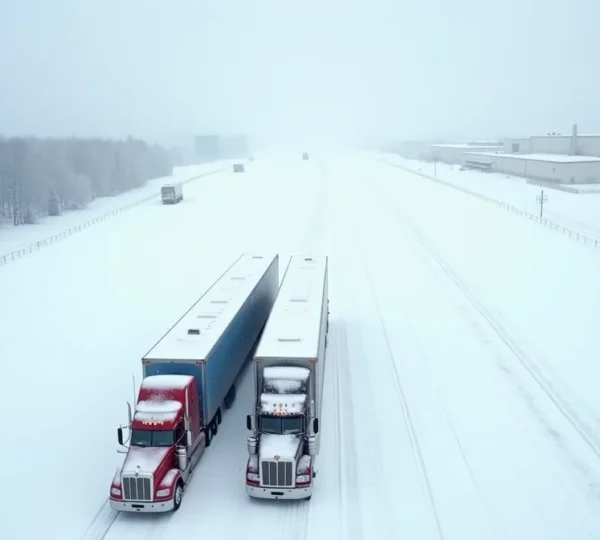
How to Build a Storm-Proof Supply Chain for Quebec’s Winter
A resilient Quebec supply chain isn’t built by reacting to blizzards, but on a proactive operational framework that de-risks every seasonal bottleneck. Success depends on mastering Quebec-specific regulations, from SAAQ logbook rules to spring thaw zone weight restrictions. Strategic decisions…
Read more
Should You Buy an E-Scooter for Your Montreal Commute?
Owning an e-scooter in Montreal is a fantastic mobility solution, but only if you’re prepared for the full 12-month reality, not just the sunny 7-month dream. The true cost involves not just the scooter, but mandatory winter transit passes and…
Read more
How to Use the STM Network Like a Local Without Speaking French?
In summary: Stop overpaying for transit by understanding fare zones and choosing the right pass for your actual needs. Use the Chrono or Transit apps to track real-time bus detours during Montreal’s frequent festivals. For occasional trips, a contactless credit…
Read more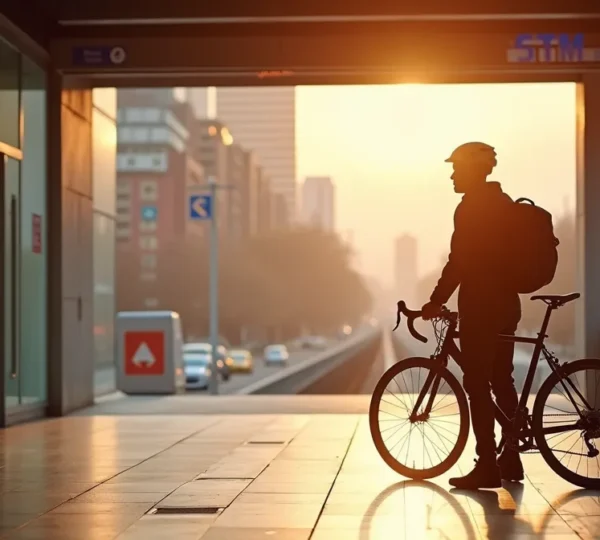
How to Combine Your Bike and the Metro for the Fastest Commute in Montreal
The fastest Montreal commute isn’t about choosing one mode of transport; it’s about mastering the strategic combination of them to eliminate traffic and downtime. Combining BIXI with the metro for the first and last mile of your journey is a…
Read more
How Will the “Troisième Lien” Debates Affect Your Commute in Quebec City?
While mega-projects like the Third Link dominate headlines, the true challenges for Quebec drivers lie in the existing, complex infrastructure ecosystem you navigate daily. Systemic failures, like the ongoing Hippolyte-Lafontaine renovations, reveal the network’s fragility and have a greater immediate…
Read more
Can You Really Live in the Suburbs of Quebec Without a Second Car?
For a suburban Quebec family, ditching the second car is the single most powerful financial decision you can make, freeing up over $10,000 annually. The true cost of a second vehicle far exceeds gas and insurance, representing a major depreciating…
Read more