Regulations & Licences
Navigating the automotive regulatory landscape in Quebec can feel overwhelming, whether you’re a new resident, a first-time driver, or simply trying to understand what’s legally required of you and your vehicle. The province maintains one of North America’s most comprehensive regulatory frameworks governing everything from driver qualification to vehicle modifications, seasonal equipment mandates, and commercial transport operations.
This resource breaks down the essential regulatory domains every Quebec motorist encounters: obtaining and maintaining a driver’s licence, registering and owning a vehicle, complying with seasonal requirements like winter tires, understanding when inspections are mandatory, knowing the boundaries for vehicle modifications, and staying current with both everyday traffic rules and specialized commercial requirements. Each section connects fundamental principles to practical situations you’ll face on Quebec roads.
Driver Licensing in Quebec: From Learner’s Permit to Full Privileges
Quebec’s graduated licensing system, administered by the Société de l’assurance automobile du Québec (SAAQ), is designed to progressively build driver competency while minimizing risk. Understanding this timeline and its restrictions is crucial for new drivers and newcomers alike.
The Graduated Licensing Timeline
The system consists of three distinct phases: the learner’s permit, probationary licence, and full driver’s licence. New drivers must hold a learner’s permit for a minimum period while completing mandatory driving hours. During this phase, zero alcohol tolerance applies, and driving is only permitted when accompanied by a qualified supervisor. The probationary phase follows, imposing its own set of restrictions even after you’ve passed your road test.
Probationary Restrictions and Demerit Points
Probationary licence holders face stricter rules than fully licensed drivers. The demerit point threshold is significantly lower—accumulating just four points during the probationary period triggers administrative action, compared to the higher threshold for experienced drivers. This system makes understanding point values for common infractions essential. For example, failing to stop at a red light carries more points than many realize, and multiple minor infractions can quickly compound into licence suspension.
Renewal Deadlines and Expired Licence Risks
Driving with an expired licence, even by a single day, carries serious consequences beyond the obvious fine. Your insurance coverage may be invalidated, and you could be held personally liable for damages in an accident. The renewal process has been streamlined in recent years, with online options available for straightforward renewals, but certain situations—such as medical conditions or specific age thresholds—require in-person visits and additional documentation.
Vehicle Registration, Ownership and Administrative Requirements
Beyond your driver’s licence, the vehicle itself requires proper registration and ongoing administrative compliance. Quebec’s system includes unique features that differ substantially from other provinces.
Registration Categories: Personal vs. Commercial
The distinction between personal and commercial registration isn’t always intuitive. A pickup truck used occasionally to haul personal items registers differently than one used for business purposes, and the classification affects insurance requirements, inspection schedules, and operating restrictions. Misclassifying your vehicle can result in coverage gaps and administrative penalties.
Ownership Transfers Between Individuals
When buying or selling a vehicle privately, both parties share responsibilities for proper transfer documentation. The seller must provide specific forms and declarations, while the buyer must register the transfer within a defined timeframe to avoid late fees. The “Fiche de remisage” (storage declaration) offers a legal mechanism to suspend registration when a vehicle won’t be driven seasonally, reducing costs but requiring careful timing to avoid penalties for driving an unregistered vehicle.
Luxury Tax and Large Engine Surcharges
Quebec imposes additional registration fees on vehicles with large engines, commonly known as the “taxe de luxe.” Vehicles with engine displacement exceeding certain thresholds face significantly higher annual registration costs. This affects not only exotic sports cars but also many full-size trucks and SUVs, making it an important consideration when purchasing a vehicle.
Quebec’s Winter Tire Mandate and Seasonal Obligations
Quebec stands alone in North America with its mandatory winter tire law, reflecting the province’s commitment to road safety during harsh winter conditions. The regulation is more nuanced than simply mounting four winter tires.
The December 1st Deadline and Its Evolution
The winter tire mandate requires appropriate tires installed from December 1st through March 15th annually. This date represents a regulatory evolution—the deadline was previously set for mid-December but was moved earlier to reflect actual winter conditions and reduce early-season accidents. Failing to comply results in fines, and insurance companies may scrutinize claims involving winter accidents if proper tires weren’t installed.
Pictogram Compliance and Tire Standards
Not all tires marketed as “winter” tires meet Quebec’s legal standard. Compliant tires must display the three-peaked mountain snowflake pictogram, indicating they’ve passed specific snow traction testing. The older “M+S” (mud and snow) marking alone is insufficient. This distinction is critical when purchasing tires, as non-compliant tires leave you both ticketable and potentially uninsured.
Winter-Specific Hazards: Roof Snow and Visibility
Beyond tire requirements, winter regulations address hazards like snow accumulation on vehicle roofs. Large chunks of snow or ice dislodging at highway speeds pose serious risks to following traffic. Drivers can be held liable for injuries or property damage caused by inadequate snow removal from their vehicles, making pre-drive clearance more than just courtesy—it’s a legal obligation.
Vehicle Modifications: Staying Within Legal Boundaries
Personalizing your vehicle is common, but Quebec regulations establish clear limits on modifications to maintain safety and environmental standards. Crossing these boundaries can trigger enforcement action and expensive compliance orders.
Window Tinting Restrictions
Tinted window regulations specify maximum allowable light reduction for different windows. Front side windows have stricter limits than rear windows, and windshields are heavily restricted. Excessive tinting impairs officer visibility during traffic stops and can reduce driver awareness of pedestrians and cyclists, explaining the strict enforcement in urban areas.
Exhaust System Noise Limits
Aftermarket exhaust systems that exceed legal noise thresholds are increasingly targeted through enforcement blitzes. The regulations specify decibel limits and require exhaust systems to maintain catalytic converters and other emission control equipment. Performance enthusiasts often discover that modifications legal in other provinces violate Quebec standards, particularly regarding sound levels measured at specific RPMs.
Suspension Modifications and Lift Kits
Raising or lowering a vehicle beyond specified limits affects crash compatibility, headlight aim, and vehicle stability. Lift kits exceeding regulatory thresholds require engineering certification, and even compliant modifications can trigger closer scrutiny during inspections. The “Vérification Mécanique” notice—a mechanical inspection order—is commonly issued for visibly modified vehicles, placing the burden on owners to prove compliance.
Mandatory Vehicle Inspections: When and Why They Matter
Unlike provinces with universal periodic inspections, Quebec employs targeted inspection requirements triggered by specific circumstances. Understanding these triggers helps you prepare and avoid complications during vehicle transactions or registration renewals.
Used, Rebuilt, and Imported Vehicles
Vehicles with salvage history, those imported from outside Canada, or those being registered in Quebec for the first time from another province typically require mandatory mechanical inspection. The inspection verifies that the vehicle meets safety standards and hasn’t been improperly rebuilt or modified. This protects buyers from unsafe vehicles but requires sellers and buyers to factor inspection timing and costs into transactions.
Inter-Provincial Transfers and Timing Considerations
Moving a vehicle from another province into Quebec registration requires coordination between inspection timing, insurance coverage dates, and registration deadlines. Inspections must be current when submitting registration applications, but arranging inspection appointments can take weeks during peak periods. Seasonal car owners face similar timing challenges when bringing stored vehicles back into service each year.
Preparing for Mandatory Inspections
Inspection facilities examine dozens of specific components: brake condition, suspension integrity, exhaust system completeness, lighting functionality, and tire condition. Common failure points include worn brake pads, leaking shock absorbers, and cracked windshields. Pre-inspection assessment by a trusted mechanic can identify issues before the official inspection, avoiding the cost and delay of failed inspections.
Road Rules and Traffic Regulations You Need to Know
Beyond basic traffic laws, Quebec’s Highway Safety Code contains specific provisions that frequently surprise drivers, particularly those from other jurisdictions. These “lesser-known” rules carry real enforcement consequences.
Right-of-Way Rules That Prevent Collisions
Intersection right-of-way rules include nuances many drivers misunderstand. Right turns on red lights are permitted in most of Quebec but completely prohibited on the Island of Montreal—a distinction that catches many visitors. School buses with flashing lights require stops from both directions on undivided roads, with substantial fines for violations that reflect the serious safety risks to children.
Cell Phone Use and Distraction Regulations
Handheld cell phone use while driving is prohibited, but the regulation extends beyond phone calls to include texting, GPS manipulation, and even holding the device. Only fully hands-free operation is permitted. Screen interaction extends to factory-installed infotainment systems—prolonged manipulation while driving can be cited as distracted driving, particularly if it contributes to erratic vehicle operation.
Construction Zone Speed Enforcement
Construction zones carry doubled fines for speeding violations when workers are present. Automated speed enforcement in these zones has expanded significantly, with camera systems issuing tickets to registered owners. The “workers present” threshold includes not just active construction but also any authorized personnel within the work zone, making these enhanced penalties applicable more frequently than many drivers assume.
Pedestrian Crosswalk Yielding Requirements
Pedestrians at marked crosswalks have absolute right-of-way once they’ve indicated intent to cross. Drivers must yield and remain stopped until pedestrians have completely cleared the lane of travel plus one adjacent lane. This regulation is vigorously enforced in urban areas where pedestrian-vehicle conflicts are common, with significant fines and demerit points for violations.
Commercial Vehicle Compliance: Professional Driver Requirements
Operating commercial vehicles in Quebec triggers an additional layer of regulatory requirements designed to ensure professional driver competency and vehicle roadworthiness. These obligations apply to truck drivers, bus operators, and fleet managers.
Electronic Logging Devices (ELD) and Hours of Service
Federal ELD mandates require electronic recording of driving hours for most commercial vehicles, replacing paper logbooks. The regulatory trap many operators encounter involves the transition between federal and provincial jurisdiction—certain operations fall under provincial rules that may have different requirements. Understanding which regulatory framework applies to your specific operation is essential for compliance.
Daily Circle Checks and Documentation
Commercial drivers must perform and document pre-trip circle checks covering dozens of vehicle components. This isn’t merely bureaucratic procedure—the documentation provides legal protection for both drivers and carriers if mechanical failure contributes to an incident. Skipped or falsified circle checks carry penalties for both the driver and the company, and patterns of non-compliance trigger enhanced enforcement scrutiny.
Load Weight Optimization for Thaw Periods
Spring thaw periods bring temporary weight restrictions on many Quebec roads as frost leaves the ground and pavement strength decreases. These seasonal restrictions require route planning adjustments and load optimization to remain compliant. Violations damage infrastructure and carry substantial fines, with repeated offenses potentially affecting a carrier’s safety rating and operating authority.
Consumer Protection, Warranties and Your Rights
Vehicle purchases, whether new or used, are governed by consumer protection laws that establish baseline rights beyond what dealers or manufacturers voluntarily offer. Understanding these protections helps you navigate warranty disputes and recognize when you have legal recourse.
Leveraging Consumer Protection Legislation
Quebec’s Consumer Protection Act establishes implied warranties that supplement manufacturer coverage. Used vehicle purchases from dealers carry minimum legal warranties based on vehicle age and odometer reading—protections that many buyers don’t realize exist. These statutory warranties can’t be waived by contract language and provide grounds for recourse when defects appear shortly after purchase.
Grey Market Vehicles and Warranty Exclusions
Vehicles imported through unofficial channels (grey market imports) often lack manufacturer warranty coverage in Canada, even when otherwise identical to domestic models. Manufacturers argue these vehicles weren’t intended for Canadian distribution and therefore fall outside warranty obligations. This creates significant risk for buyers attracted to lower prices on imported vehicles without understanding the long-term support implications.
Modification Impacts on Warranty Coverage
ECU flashing and performance modifications void warranties more broadly than many enthusiasts expect. Manufacturers aren’t required to prove the modification caused a specific failure—they simply must demonstrate the modification affects related systems. For example, ECU tuning that increases engine power can void not just powertrain coverage but also transmission and differential warranties. Understanding these implications before modifying a vehicle under warranty prevents expensive surprises.
Emerging Regulations: New Technologies and Modern Mobility
Quebec’s regulatory framework continues evolving to address new transportation technologies and mobility patterns. Some areas have clear regulations while others remain in transitional legal status, creating uncertainty for users.
E-Scooters and Personal Electric Mobility Devices
The legal status of electric scooters and similar devices varies by municipality within Quebec. Some cities permit them on bike paths and streets under specific conditions, while others prohibit them entirely. This patchwork creates confusion for users and challenges for enforcement, particularly regarding where these devices can legally operate, speed limits, and equipment requirements like lights and reflectors.
Advanced Safety Systems and Repair Implications
Modern vehicles equipped with automated emergency braking, lane-keeping assistance, and adaptive cruise control require specialized calibration after repairs or even routine service like windshield replacement. Improper calibration can render these safety systems ineffective or cause false activations. Insurance claims increasingly scrutinize whether required calibrations were properly performed, potentially affecting liability determinations in subsequent collisions.
Electric Vehicle Charging Rights and Condo Regulations
Recent regulatory developments address the “right to charge” for electric vehicle owners in condominiums and multi-unit residential buildings. While regulations increasingly prohibit blanket bans on charging infrastructure, the practical details—who pays installation costs, electrical capacity limitations, and priority systems for limited parking spots—remain sources of conflict between EV owners and condo boards.
License Plate Recognition and Privacy Considerations
Automated license plate recognition systems deployed by municipalities and private entities for parking enforcement and security raise privacy questions. While license plates are publicly visible, the systematic collection and retention of location data creates detailed movement profiles. Current regulations provide limited protection, leaving unclear boundaries around data retention periods, permissible uses, and individual access to records.
Understanding Quebec’s automotive regulatory landscape empowers you to avoid costly mistakes, protect your legal rights, and operate vehicles confidently within established boundaries. Regulations exist not merely as bureaucratic obstacles but as frameworks balancing individual mobility with collective safety and environmental goals. When specific situations arise—from modifying your vehicle to navigating a warranty dispute—deeper exploration of the relevant regulatory domain ensures you make informed decisions aligned with both legal requirements and your practical needs.
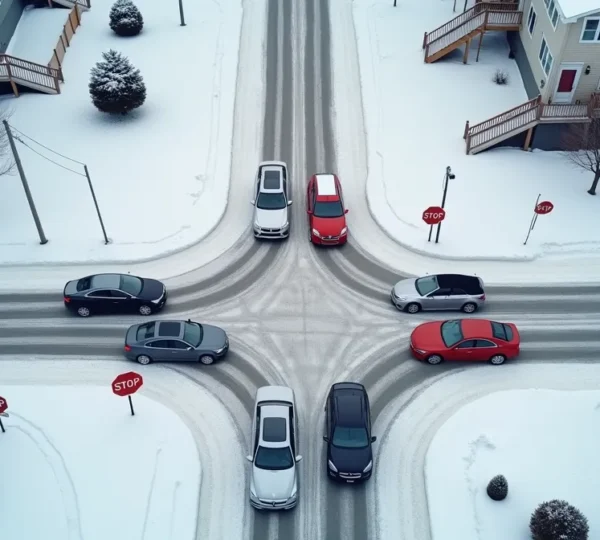
Who Actually Has Priority at a 4-Way Stop?
The confusion at a Quebec four-way stop isn’t a failure of drivers, but a failure of relying on a single rule. The “first-to-arrive” principle is only the beginning. True mastery comes from understanding a clear hierarchy of regulations: from statutory…
Read more
How to Obey the “Move Over Law” (Corridor de sécurité) Correctly?
In summary: Slowing down and moving over for emergency vehicles is just one of many misunderstood Quebec road rules that lead to heavy fines. Touching a mounted phone at a red light, not giving cyclists enough space (1-1.5m), and leaving…
Read more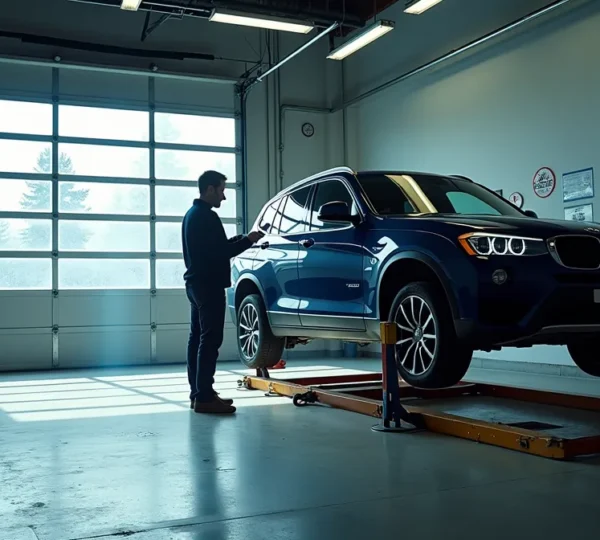
How to Buy a “Rebuilt” (VGA) Car Without Getting Scammed?
The biggest mistake buyers make is thinking the mandatory SAAQ inspection guarantees a good car; it only confirms minimum safety, often after you’ve already bought a lemon. A “clean” CARFAX report is meaningless for many US imports; always search the…
Read more
How to Save Money by Placing Your Vehicle in Storage (Remisage)?
Beyond simple winter storage, Quebec’s “remisage” system is a powerful financial tool that gives you total control over your vehicle-related expenses. It provides significant refunds on registration fees, especially for large-displacement engines. It allows you to legally avoid late-renewal penalties…
Read more
How to Pass the SAAQ Mechanical Inspection With a Modified Car?
Passing the SAAQ inspection for a modified car in Quebec isn’t about hiding your mods; it’s about strategically proving they meet minimum safety standards. The SAAQ inspector’s job is to check for legal compliance, not to judge your build’s performance…
Read more
Exchanging Your Foreign License in Quebec: The Complete Guide to Rules, Traps, and a Smooth Transition
Successfully exchanging your foreign driver’s license in Quebec isn’t the finish line—it’s the start of navigating a unique system of rules that can easily trap uninformed newcomers. Probationary licenses have an absolute zero-alcohol tolerance and a low 4-point demerit limit,…
Read more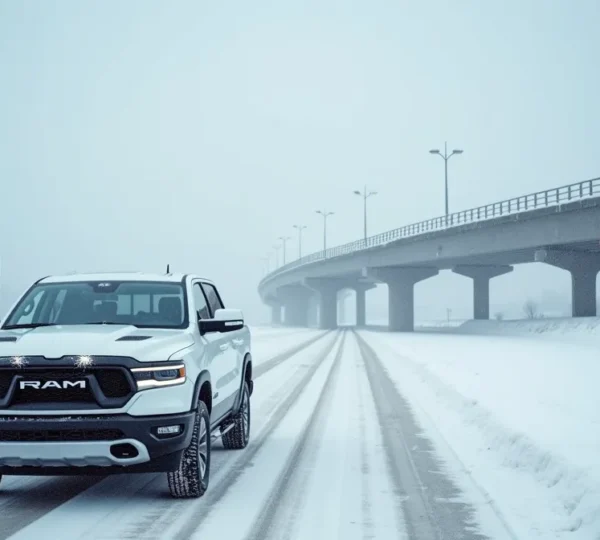
Do Collision Avoidance Systems Actually Lower Your Insurance in Quebec?
Despite the marketing, Advanced Driver-Assistance Systems (ADAS) are not a guaranteed ticket to lower insurance premiums in Quebec due to skyrocketing repair and calibration costs. A simple windshield replacement can cost over $1,000 because the camera system requires expensive recalibration….
Read more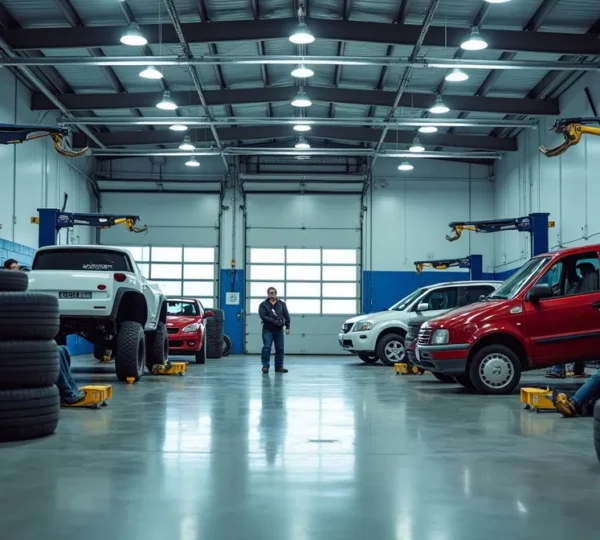
Beat the December 1st Rush: A Quebec Tire Shop Manager’s Guide for Procrastinators
Waiting until the last minute for the December 1st winter tire deadline costs you more than just stress; it exposes you to expensive and dangerous “procrastinator traps.” Rushing often leads to buying worn-out used tires that are barely legal and…
Read more