
The dynamic anatomy of the connected modern vehicles
Vehicle segments and market trends
The market segmentation reflects distinct designs and functionalities. Popular body configurations like sedans, crossovers, coupes, and hatchbacks meet diverse consumer needs for cabin comfort, modular cargo space, and dynamic handling.
Powertrain selection defines the driving dynamics. Options include internal combustion engines (ICE), zero-emission electric vehicles (EV), and plug-in hybrids. This choice impacts torque, energy efficiency, and carbon footprint, determining the vehicle’s operating costs.
Economic factors like residual value influence the Canadian market. Depreciation rates depend on reliability ratings, brand equity, total cost of ownership, and demand, acting as a pivotal element in long-term leasing decisions.


Sedans: long-distance cruising comfort

SUVs: AWD traction and versatility


Coupes: sportiness and aesthetic appeal


Hatchbacks: urban agility and modularity
Rethinking mobility in Quebec: challenges and solutions
Quebec's transportation mix integrates private driving, intermodal transit, and smart solutions to reduce congestion. Strategic planning and electrification initiatives are essential to create an efficient, low-carbon provincial mobility ecosystem.


Integrated smart urban planning
Municipalities deploy strategies to streamline traffic flow, optimize road infrastructure, and improve multimodal nodes connecting cars, transit networks, and cycling paths.

Growth of carpooling platforms
Digital carpooling apps reshape commuting habits, offering an alternative to solo driving and reducing pressure on metropolitan highway networks.
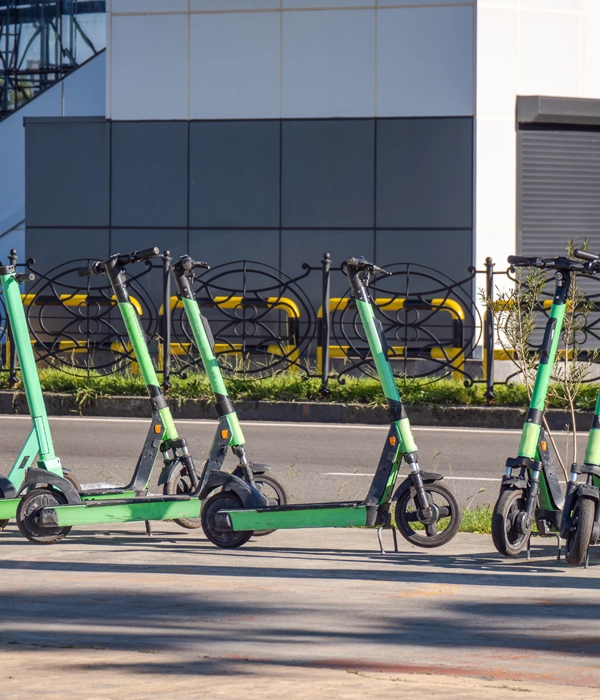
Electric micromobility options
For last-mile connectivity, shared e-bikes and scooters provide an efficient option in dense city centers, promoting active transportation.

Commercial logistics and trucking
Heavy-duty fleets support supply chains, handling cross-province haulage and regional distribution across urban and remote northern territories.

Seasonal engine maintenance
Synthetic oil changes ensure cold-start performance. This service prevents thermal wear, reduces friction, and extends powertrain longevity, keeping the vehicle running efficiently.

Mandatory winter tire installation
Checking tread depth and complying with seasonal tire laws improves grip on ice. Proper alignment enhances fuel economy and ensures safe handling.

Anti-corrosion brake inspection
Inspecting calipers, rotors, and hydraulic fluid prevents brake fade. Regular servicing is essential for stopping power on slippery surfaces.

Onboard telematics and connectivity
Connected vehicles function as digital platforms, where the ECU and processors manage powertrain efficiency and climate control. The interface acts as a hub for GPS mapping, data transfer, and media streaming.

Adaptive Cruise Control (ACC)
ACC uses lidar and sensors to maintain a safe following distance. This technology adjusts velocity, reducing fatigue on long highway trips and enhancing collision avoidance.

Smart cockpit interfaces
Systems integrate haptic touchscreens and wireless pairing, enabling real-time traffic updates and hands-free calls. These hubs centralize vehicle settings and improve user experience.
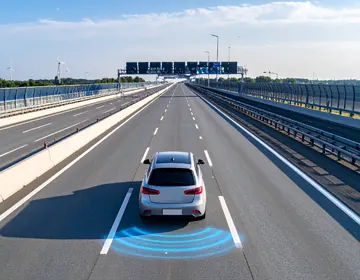
Intelligent Lane Keeping (LKA)
LKA employs cameras to detect road markings, providing steering torque if the vehicle drifts, helping prevent run-off-road accidents and maintaining lane discipline.

Licensing and SAAQ regulations
Navigating SAAQ standards is crucial for fleet compliance. Businesses must manage registration, safety inspections, and provincial mandates. Regular audits ensure adherence to Highway Safety Code obligations, while online portals simplify permit renewals for enterprises.

Road safety and defensive driving
Driving requires awareness and proactive habits. Understanding traffic laws, braking capabilities, and weather risks ensures a secure experience on Quebec roads while protecting road users.
ADAS technologies help prevent accidents and improve confidence. Regular mechanical inspections, winter preparation, and brake monitoring complement these systems to maintain optimal roadworthiness.
Driving schools offer skills to anticipate black ice and hazards. Whether for daily commutes or road trips, these programs foster safe behaviors and reduce collision risks, benefiting the community.